


El Niño Nears Historic Peak: How the Climate Phenomenon Could Reshape Global Weather Through 2027
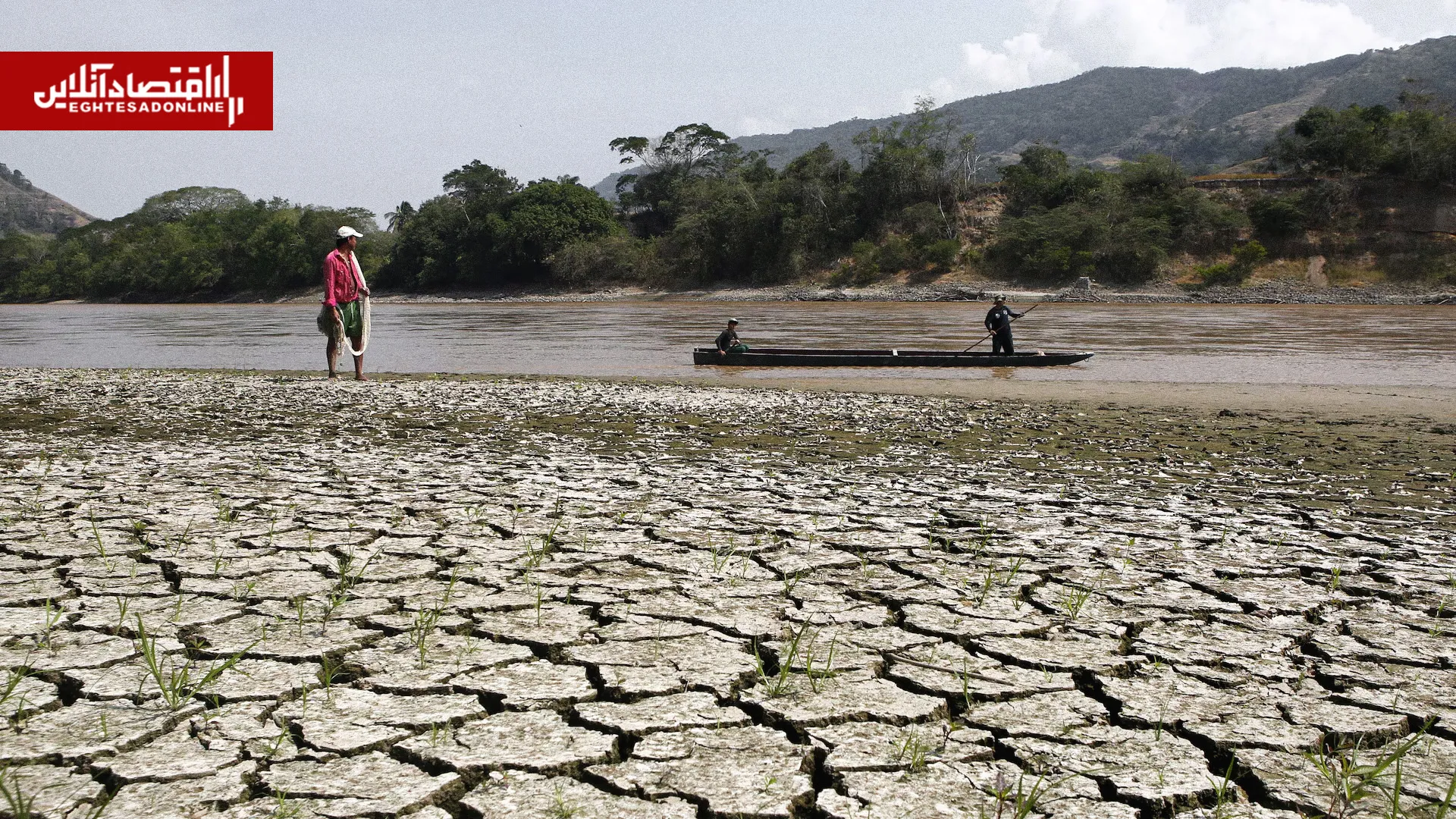
EghtesadOnline: The powerful climate pattern is expected to peak in December 2026 and persist into spring 2027, raising concerns over extreme heat, droughts, floods, wildfires and global food supplies.
El Niño, Spanish for “the boy,” is a natural climate phenomenon that occurs irregularly, typically every two to seven years. It develops when sea-surface temperatures in the central and eastern tropical Pacific Ocean become unusually warm.
Scientists had been warning about the possibility of a powerful El Niño since early 2026. Large amounts of heat stored beneath the ocean surface, alongside the expected weakening of near-surface trade winds, helped raise the likelihood of the event developing.
In the first week of June, the World Meteorological Organization (WMO) confirmed that El Niño conditions were officially underway. By late summer, experts were warning that the event could become one of the strongest in modern observational history, prompting some commentators to call it a “Godzilla” or “Super” El Niño.
How Much Stronger Could El Niño Become?
According to the WMO, sea-surface temperatures across the central and eastern tropical Pacific are forecast to reach unprecedented levels during October, November and December.
Scientists use the Niño 3.4 index to measure sea-surface temperature anomalies in a key region of the central and eastern equatorial Pacific. The index rose from an average of 1.6°C above normal in June 2026 to 2.5°C above normal in August.
Forecasts suggest the seasonal average anomaly for October through December could reach approximately 3.7°C above normal. If realized, this would exceed the highest levels recorded since observations began, surpassing the previous record of 2.6°C, registered between November 2015 and January 2016.
Previous El Niño events have contributed to record-breaking global temperatures and have been associated with prolonged droughts, flash floods and deadly wildfires across several regions.
Global Impacts: From Floods and Droughts to Wildfires
El Niño's effects are generally most pronounced in tropical regions, but Europe can also experience changes in its weather patterns. Some El Niño events have been associated with milder, wetter European winters. The phenomenon may also influence the polar vortex, potentially increasing the likelihood of cold spells under certain conditions.
Previous events have been linked to heightened flood risks in South America, the southern United States, East Africa and Central Asia. Meanwhile, parts of Australia, northern South America and Asian countries such as Indonesia may face increased risks of drought and wildfires.
The consequences could extend well beyond the regions directly affected by extreme weather. Disruptions to agricultural production in exporting countries could affect international food supplies, including imports destined for Europe.
The IHE Delft Institute for Water Education in the Netherlands has warned that El Niño-related impacts could threaten the production of several staple foods imported by Europe.
In Nicaragua, for example, crops such as maize and beans could fail in already vulnerable areas, worsening food insecurity and reducing household incomes.
Reduced rainfall and lower river flows could also constrain irrigated agriculture in Colombia, northeastern Brazil and India. Farmers may be forced to rely more heavily on groundwater, increasing the risk of overexploitation. Lower agricultural output could, in turn, reduce export supplies and put additional pressure on international markets.
El Niño Timeline: When Will It Peak and End?
According to the WMO's latest statement cited in the report, El Niño is expected to peak in December 2026 and continue into 2027.
“El Niño is firmly established and strengthening rapidly,” WMO Secretary-General Celeste Saulo said.
She added that WMO forecasts indicate an almost 100% likelihood that the phenomenon will persist through February 2027, potentially making it one of the strongest El Niño events since at least 1950.
The forecast is not based on a single climate model. The WMO has coordinated observations from ocean buoys, satellites and radiosondes across 13 national and international centres to assess the likelihood and potential strength of the event.
El Niño is not expected to end until spring 2027, although its effects could continue beyond that period. The additional warming associated with the event has also raised concerns that 2027 could become the hottest year on record.
El Niño Meets Climate Change: Why Global Heat Could Intensify
El Niño events typically raise global average temperatures by approximately 0.2°C. Although this increase can intensify extreme weather in vulnerable regions, it is smaller than the long-term warming caused by human activities.
Human-driven global warming, primarily resulting from the burning of fossil fuels, has pushed the Earth's average surface temperature approximately 1.3°C to 1.4°C above pre-industrial levels. This underlying warming has contributed to hotter European summers, prolonged droughts and destructive wildfires.
Today, El Niño operates against the backdrop of an already warming planet. As a result, its effects can compound the risks associated with human-driven climate change.
In 2025, the world experienced its third-warmest year on record. The year was hotter than 2016, despite 2016 being a strong El Niño year. This occurred even as La Niña, the cooler counterpart to El Niño, exerted its natural cooling influence.
Recent research has also suggested that climate change may be intensifying El Niño events, making them approximately 36% stronger than they were before the industrial era.
Speaking at the Global Heat Forum in Bangkok in October, Saulo explained that El Niño does not create new heat but releases heat that has already accumulated beneath the ocean's surface. This process helps explain why strong El Niño events are often associated with some of the hottest years ever recorded, as occurred in 2024.
Saulo emphasized that the world's oceans are now warmer than at any point in the instrumental record, meaning there is more accumulated heat available to be released into the climate system.