


Yemen’s Taiz Battle Threatens to Reshape the Iran-US War
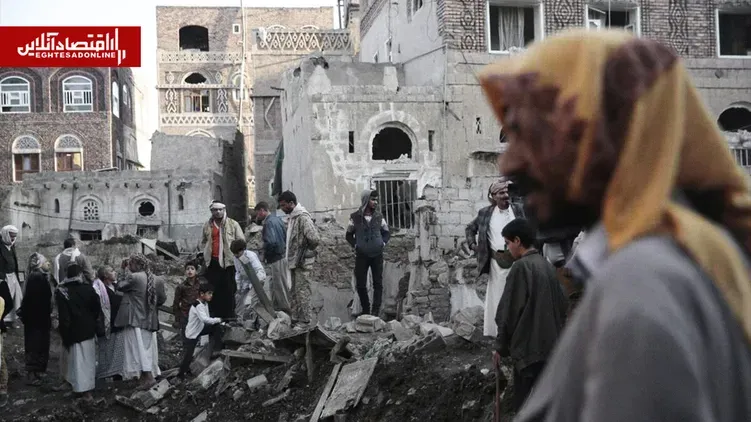
EghtesadOnline:The battle for Yemen’s strategic Taiz province in the southwest has entered a new phase, with fighting threatening to reshape the balance of power in Yemen and deepen the regional confrontation between Iran, the United States and their allies.
Houthi forces and Saudi- and UAE-backed forces are engaged in intense fighting over Taiz, a strategically important province in southwestern Yemen. Following Houthi advances along the coastal areas, forces opposing the group are attempting to retake lost territory and increase military pressure on the Houthis.
Al Jazeera reported that Rashad al-Alimi, chairman of Yemen’s Presidential Leadership Council and a Saudi-backed leader, announced on Sunday the launch of a broad operation against the Houthis to retake lost areas. The offensive is expected to intensify fighting around Taiz, which has remained one of the main battlegrounds of Yemen’s war.
Taiz is particularly important because of its population and geography. The province is home to around 4.5 million people. Its flat western coastline stretches along the Red Sea and includes the port city of Mocha and the strategic Bab el-Mandeb Strait.
The Houthis seized control of parts of these coastal areas in an unexpected and rapid operation in early September. The advance raised concerns over a potential threat to international shipping through Bab el-Mandeb. The coastal areas also serve as key supply routes for forces operating in Taiz.
Much of the province’s mountainous interior remains contested. Taiz city, the provincial capital, sits among a series of mountains and is controlled by forces opposed to the Houthis. It is one of Yemen’s most populous cities and an important source of legitimacy for the internationally recognized Yemeni government, which is backed by the United States and its allies.
Taiz lies between Houthi-controlled areas in the north and government-held territory in the south. Further Houthi advances could threaten the government’s connection to Aden, the southern coastal city where many of Yemen’s key government institutions are based.
Houthis Seek to Isolate TaizIbrahim Jalal, a senior researcher and policy adviser, told Al Jazeera that Taiz holds major social, political, economic and military importance for Yemen as a whole.
He said the Houthis’ efforts to isolate and pressure Taiz are aimed at consolidating their gains along the Red Sea coast toward Bab el-Mandeb while increasing pressure on Lahij, Aden and large parts of southern Yemen.
Jalal added that the Houthis are now seeking to expand their territorial control along the former borders of North Yemen and eliminate remaining pockets of resistance in an effort to consolidate their hold over the territory they control.
Taiz has been one of the most heavily contested areas since the beginning of Yemen’s civil war, which entered a new phase after Houthi forces seized the capital, Sanaa, in September 2014.
Government-aligned forces are now also signaling plans to launch an offensive toward Sanaa, a development that could mark a further escalation of Yemen’s civil war.
Fighting Spreads Across Western TaizLocal officials said on the same day that a shell struck a residential area in Dhubab, killing a 14-day-old infant. Other attacks have also wounded civilians. Government forces have also shelled Houthi positions around Taiz.
Direct clashes have now spread into rural areas surrounding the city. A local source told Al Jazeera that residents have begun fighting independently against Houthi attempts to infiltrate villages and mountainous areas around Taiz.
The heaviest fighting is taking place along the western axis of the city, where government forces have established defensive positions around Jabal Han.
Yemeni government forces said on Sunday that they had made advances against the Houthis and captured several areas, including a fortress in Sama. The Taiz military command also claimed that its forces had repelled Houthi attacks on Jabal Han, Hadharan and other areas west of the city.
Majed al-Nazili, a Yemeni military spokesman, claimed that government forces had carried out dozens of operations using aircraft, drones, artillery, missiles and snipers, resulting in hundreds of Houthi fighters being killed or wounded. Al Jazeera said it could not independently verify the claims.
In early September, the Houthis were able to rapidly expand their control along Yemen’s Red Sea coast with relatively limited resistance. In Taiz, however, they have encountered much stronger resistance from opposing forces.
Yemen Becomes a New Front in the Iran-US WarIn recent weeks, attacks by Iran-backed Houthis against Saudi Arabia have increasingly linked the Yemen front to the broader confrontation between Iran and the United States.
The Houthis have launched missile and drone attacks against Saudi cities and energy infrastructure in response to Saudi strikes on their positions in Yemen.
In the latest incident, the Houthis claimed on October 3 that they had targeted an Aramco facility in Riyadh and the Khurais area with ballistic missiles and drones. Saudi officials, however, have not confirmed the attack or any damage to Aramco facilities.
The attacks have increased the risk that the Iran-US conflict could expand into a broader regional confrontation. The United States is providing Saudi Arabia with intelligence support for operations against the Houthis, while Riyadh is preparing for a broader offensive aimed at retaking areas along Yemen’s Red Sea coast.
The Houthis, meanwhile, could increase the cost of the conflict for Saudi Arabia by targeting energy infrastructure and vital shipping routes, while simultaneously placing indirect pressure on the United States.
The stakes become even higher because attacks on Saudi oil facilities could affect global energy markets and oil export routes. Reuters has reported that the recent Houthi attacks on Saudi energy infrastructure came as the global oil market was already under pressure from the US-Israeli war with Iran and insecurity around the Strait of Hormuz.
From this perspective, the battle for Taiz is not simply another confrontation between the Houthis and their domestic opponents. Control of the province could affect the balance of power along the Red Sea coast, access to Bab el-Mandeb and key routes connecting Yemen with Saudi Arabia.
At the same time, escalating attacks between Saudi Arabia and the Houthis increase the risk of Yemen becoming one of the major fronts in a wider regional war involving Iran, the United States and their allies.