


Three Fed Rate Hikes Seen Through 2027
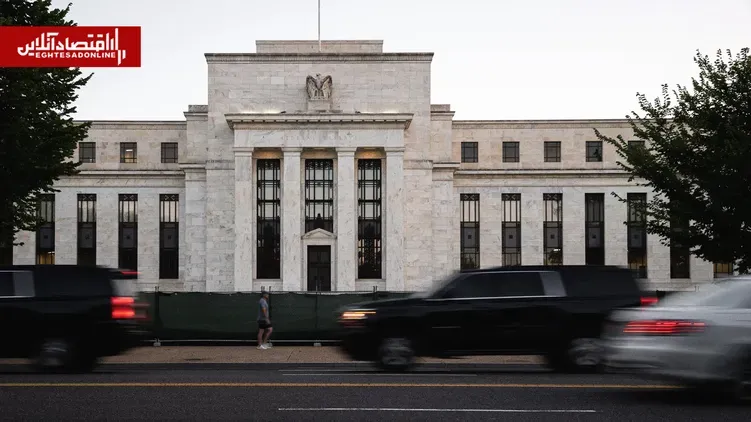
EghtesadOnline: Developments in the U.S. economy over the past few days have changed the interest-rate outlook; the market’s prevailing scenario now points to three rate hikes remaining through the end of 2027.
Global Economy;Following the Federal Reserve’s September meeting and its rate hike, markets initially expected monetary policy under incoming Chair Kevin Warsh to shift toward tighter conditions and a series of further increases. Above-target inflation, resilient demand and continued investment in artificial intelligence reinforced the view that the U.S. economy could still withstand higher interest rates.
The release of the composite Purchasing Managers’ Index for manufacturing and services strengthened those expectations. The index rose from 56 to 58.4 on September 23, its highest level since July 2021.
Business activity was accelerating, new orders were increasing and costs were also rising. Markets interpreted the report as evidence of a strong economy whose demand pressures could make it more difficult for inflation to return to the Fed’s target.
Against this backdrop, expectations for two rate hikes by the end of 2026 strengthened, with one increase expected in October and another in December. But subsequent data changed that trajectory.
The personal consumption expenditures inflation report released on September 30 showed that annual inflation stood at 3.4% in August, below the 3.7% forecast by economists surveyed by Reuters. Core inflation came in at 3%. At the same time, the estimate for second-quarter economic growth was revised higher. The combination suggested that the U.S. economy was still growing, while price pressures were not as severe as markets had expected.
The data reduced pressure for an immediate rate hike, although they were not enough to completely alter the market outlook. Inflation remained well above the Federal Reserve’s 2% target, and traders still expected the central bank to raise interest rates in the months ahead to contain price pressures.
Then, on Friday, October 2, the employment report presented a different picture. The U.S. economy added just 29,000 nonfarm jobs in September, compared with expectations for 90,000. The unemployment rate rose from 4.1% to 4.2%, while hourly earnings increased by just 0.1% month-on-month, below the expected 0.3%. Employment figures for the previous two months were also revised down by a combined 60,000 jobs.
Slower hiring, together with more moderate wage growth, brought markets closer to the view that there was no immediate need for another rate increase. Stocks initially strengthened in response, the dollar weakened and Treasury yields fell. Yields later moved higher again, however, suggesting that the reduced probability of an October hike has not eliminated concerns about higher rates in subsequent months.
Comments from Federal Reserve officials had also contributed to the shift in expectations. John Williams, president of the Federal Reserve Bank of New York, said on September 29 that there was no need to rush into another move following the September hike, although he still considered another increase later in the year appropriate. Federal Reserve Vice Chair Philip Jefferson also said on October 1 that the next decision would require further examination of incoming data and an assessment of the economic outlook.
Following the employment report, Michael Feroli, JPMorgan’s chief U.S. economist, said the more moderate pace of wage growth reduced concerns about an overheating economy and the need for an aggressive rate increase. In his assessment, bringing an October hike back into consideration would require a very strong consumer inflation report; JPMorgan still expects a December hike.
Goldman Sachs Chief Economist Jan Hatzius also projected a more limited path: just one additional 25-basis-point hike in December, followed by a pause. That would put the bank’s estimate for the required tightening below the market’s prevailing path.
Markets Were Once Pricing a Series of Rate Hikes
Before the inflation and employment reports were released, an October rate hike was the dominant market scenario. The probability of rates reaching the 4%–4.25% range stood at 72.5%, compared with a 27.5% probability of rates remaining in the current 3.75%–4% range.
For December, the 4.25%–4.50% range carried the highest probability at 61.6%. At that point, markets therefore considered two rate hikes by the end of the year more likely than not.
John Williams’ comments on September 29 also reduced part of the market’s expectation for an October increase, while the inflation and employment reports reinforced that shift.
What Changed After the Inflation and Jobs Reports?
Markets have now changed their expectations for the upcoming meeting. Holding rates steady in October has taken the lead, while the first subsequent hike has been pushed back to December. The dominant end-2026 range is now 4%–4.25%, one step below the previous market outlook.
In 2027, the dominant range rises to 4.25%–4.50% in March and 4.50%–4.75% in April. That same range continues to carry the highest probability through the end of the year.
Taken together, the prevailing scenarios point to three rate hikes from current levels — a total of three 25-basis-point increases, compared with the four hikes priced in before the latest economic data.
The comparison shows that markets have both pushed back the timing of the next rate increase and lowered the expected level of interest rates further out. However, the probability assigned to a particular rate range at each meeting does not represent a firm commitment to a hike in that specific month. FedWatch reflects traders’ expectations derived from futures contracts, while Federal Reserve decisions remain dependent on incoming economic data.
For now, markets see less need for an immediate rate increase, but they still consider further hikes likely. Just as inflation and employment data changed expectations within a matter of days, upcoming reports on prices, wages and energy developments could shift the trajectory once again.
written by Danial Rahimi