


U.S. Claims Safe Route Through Strait of Hormuz as Shipping Data Tell a Different Story
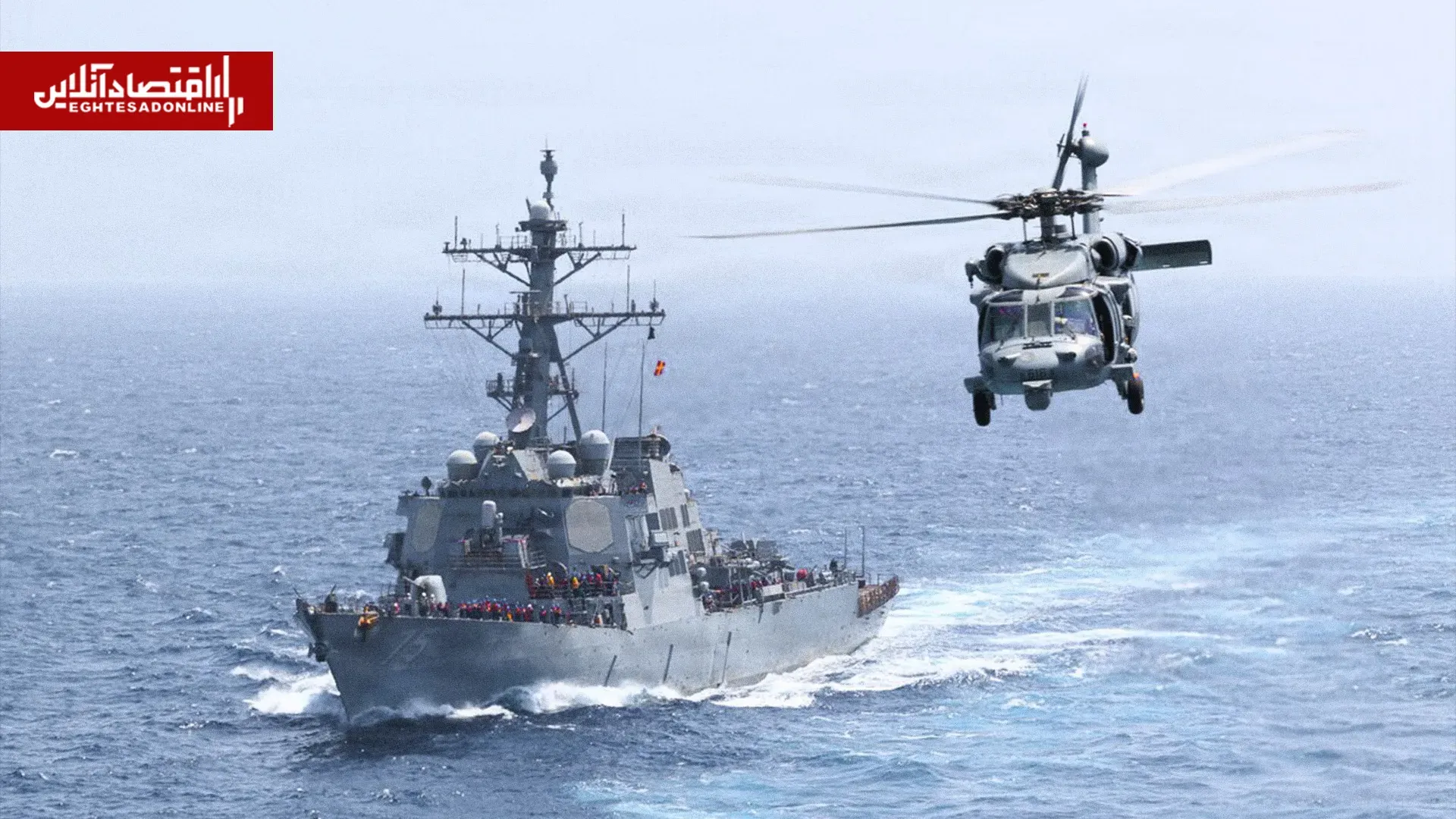
Washington says mine-clearing and military escorts have boosted oil flows, but satellite imagery and shipping data show the waterway remains far from normal.
The United States says it has established a safe route for tankers through the Strait of Hormuz by clearing mines and deploying warships and fighter jets, helping increase oil exports from the Persian Gulf. However, shipping data and satellite imagery show that vessel traffic has yet to return to normal, while claims that the United States has dredged a new channel or corridor lack independent evidence.
A “New Channel” That May Actually Be an Old Waterway
The claim that the U.S. military had discovered a new sea channel in Omani territory within the Strait of Hormuz emerged after a report published by the Morse Report on Aug. 28, 2026.
The outlet claimed satellite imagery showed evidence of the covert dredging of a waterway on the Musandam Peninsula, creating a route that could allow tankers to leave the Persian Gulf while avoiding Iranian surveillance systems.
However, a review of historical records, satellite imagery and shipping data suggests that the narrative may have confused an existing natural passage with a new U.S. operation.
The waterway shown in the imagery is the natural Fak al-Asad, or Bab Musandam, passage. A geographical document prepared by John Gordon Lorimer in 1908 and now held by the Qatar Digital Library describes the passage as approximately 549 meters wide and nearly 44 meters deep, noting that it was navigable by ships.
Al Jazeera’s Open Source Intelligence Unit also compared Sentinel-2 satellite images from 2021, 2022 and 2026 in a report published on Aug. 30. The images showed no significant change in the waterway’s width, coastline or entrance, nor evidence of extensive dredging equipment or major sediment removal.
The available evidence therefore does not support claims that a new channel was excavated. What the United States has established is instead a protected corridor for directing vessels along a southern route near the Omani coast.
U.S. Night Operations Along the Omani Route
In a statement issued on April 11, 2026, U.S. Central Command said two American destroyers had begun operations to prepare the area for mine-clearing efforts. The mission also involved military divers and unmanned underwater vehicles.
Axios reported on Aug. 19, citing two U.S. officials, that a command center at Fort Berg coordinates a list of inbound and outbound vessels. Empty tankers enter the Persian Gulf during designated time windows, load oil and then leave during scheduled hours, mostly at night, via the southern route near Oman.
U.S. fighter jets provide protection against drones and cruise missiles.
Some tankers switch off their transponders while passing through the area and later transfer their cargo to larger vessels after reaching the Gulf of Oman. The practice means that part of the oil flow may appear in shipping data only several days later.
Satellite images taken on Aug. 25 and published by the verification platform Mesar on Aug. 29 showed at least 20 ship-to-ship transfers: six near Fujairah in the United Arab Emirates, four off Shinas and 10 around Sohar in Oman.
Trump Says 30 Ships a Night, Official Data Show Fewer
On Aug. 31, 2026, U.S. President Donald Trump said at the White House that the U.S. Navy was helping an average of 30 ships pass through the Strait of Hormuz each night.
However, a report by the Joint Maritime Information Center, or JMIC, published on Sept. 1 recorded 39 U.S.-protected transits on Aug. 30 and 31, equivalent to an average of 19.5 vessels per day. Publicly visible data from Kpler show an even wider gap. According to figures released on Sept. 3, five vessels crossed the strait on Aug. 31, 11 on Sept. 1 and six on Sept. 2.
Reuters reported on Sept. 4 that only four trackable vessels passed through the strait on Sept. 3, compared with a 10-day average of 15 vessels and roughly 125 large vessels per day before the war.
These figures do not capture tankers whose transponders have been switched off. The U.S. count could also include smaller vessels or support ships.
As a result, Trump's claim cannot be definitively disproved using public data alone. But Washington has not so far disclosed how it calculates the figure of 30 ships, and the number has not been independently verified.
Where Did the 17 Million Barrels Come From?
U.S. Energy Secretary Chris Wright told CNBC on Sept. 1 that more than 17 million barrels of oil had passed through the Strait of Hormuz on Aug. 31. Reuters reported his remarks on Sept. 2.
The figure represents an alleged single-day record and should not be confused with the average volume of oil flowing through the waterway.
In a methodology report published on Aug. 27, Kpler estimated that the average volume of oil leaving through the combined Hormuz route and the Oman Sea transfer network had stood at around 8.6 million barrels per day since June 17.
Goldman Sachs, in a Sept. 2 report that accounted for vessels operating with their tracking systems switched off, estimated total oil exports from the Persian Gulf region at 15 million to 16 million barrels per day. Only around 10 million barrels were visible in public tracking data.
The estimate points to an increase in oil flows, but it covers total regional exports and does not independently confirm the claim that 17 million barrels passed through the Strait of Hormuz itself on Aug. 31.
U.S. Says Mines Have Been Cleared — But Threat Remains
The commander of U.S. Central Command said on Aug. 28 that Iranian mines had been cleared from international transit routes in the Strait of Hormuz. The statement does not cover the entire strait. Instead, it refers to specific shipping lanes that have been surveyed and cleared.
A Sept. 1 JMIC report continued to classify the threat level in the Strait of Hormuz as severe, warning of the ongoing risk from floating or undetected mines, active mine-hazard areas and continued survey and clearance operations.
Early on Aug. 31 local time, two giant Saudi oil tankers were also targeted near Khasab, Oman. According to a Reuters report published on Sept. 1, the tankers Cedar and Senegal Prosperity were each carrying around two million barrels of oil and were hit within a short distance of each other.
Hormuz Is Moving Again — But It Is Far From Normal
The available data point to an increase in oil shipments through and around the Strait of Hormuz, but they do not show a return to normal traffic levels. The United States has not dredged a new channel through the strait. Instead, it has established a limited military-protected corridor along the southern route near Oman.That corridor remains dependent on nighttime transit, the disabling of tracking systems by some vessels and military protection against drones, missiles and potential mine threats.