


The Rial: The World’s Weakest Currency? | How Misguided Policies Have Eroded Iranian Purchasing Power
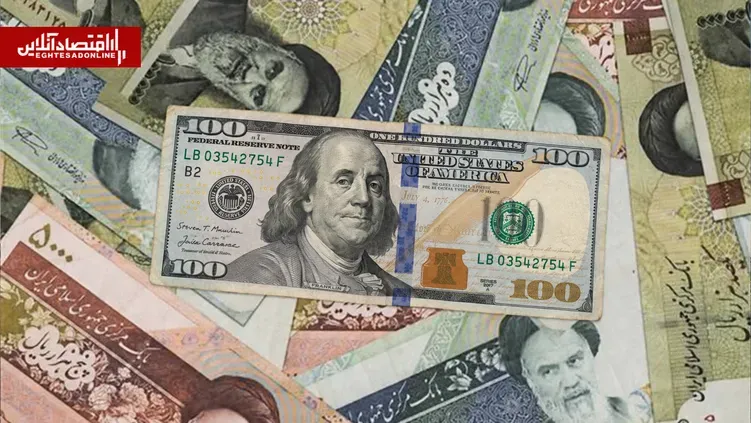
EghtesadOnline: The dollar’s surge to around 2.7 million rials has become the latest sign of the Iranian currency’s erosion. Fueled by persistent inflation, fiscal imbalances and sanctions, the crisis is now disrupting calculations for producers, businesses and households alike.
Economy group: In Iran’s foreign exchange market, the dollar’s price can jump within seconds, but the consequences linger for months in businesses’ accounts, commercial contracts and household purchasing power. Every time the rial loses part of its value, producers must recalculate the cost of raw materials, selling prices and the working capital needed to keep operating. In such an environment, even maintaining existing production levels requires additional financial resources.
The US dollar’s crossing of the 2.7 million rial threshold on the open market in October 2026 marks the latest stage in a decades-long trend that has weighed on Iran’s economy. Meanwhile, year-on-year urban inflation reached 89.8% in September, meaning the general price level had nearly doubled over the preceding 12 months.
Repeated currency shocks have gradually changed public expectations. When further increases in the dollar become the prevailing assumption in the market, households and businesses turn to foreign currency and gold to preserve their purchasing power. This additional demand puts further pressure on the rial and weakens the effectiveness of exchange-rate controls. The roots of the crisis, however, lie in both external restrictions and the structural weaknesses of Iran’s public finances.
How Have Sanctions Put Pressure on the Foreign Exchange Market?
A substantial share of Iran’s foreign exchange earnings comes from exports of crude oil, petroleum products and petrochemicals. At the same time, imports of raw materials, machinery and consumer goods depend on a steady supply of foreign currency. Sanctions have disrupted this flow by restricting exports, increasing the cost of financial transfers and making it more difficult to repatriate export revenues.
Under these conditions, even recorded export earnings may not become available to importers and the Central Bank of Iran in a timely manner because of banking restrictions. The result is a reduction in the effective supply of foreign currency in a market where a significant share of demand comes from production and trade.
These pressures have intensified in recent months. On August 24, 2026, the US Treasury Department launched an economic exclusion operation aimed at restricting Iran’s financial and commercial connections. War and disruptions to energy export routes have also made access to foreign exchange earnings more difficult.
These developments matter because any news about tighter sanctions or the possibility of an agreement can alter the expectations of economic actors. Iran’s foreign exchange market has experienced similar shifts in expectations before.
The JCPOA Experience: A Period of Relative Economic Stability
The years of nuclear negotiations and implementation of the Joint Comprehensive Plan of Action (JCPOA) were a notable period of relative stability in Iran’s economy. From the interim Geneva agreement in 2013 to the implementation of the JCPOA in January 2016, easing political tensions and hopes of sanctions relief created a different environment for the currency market and economic activity.
Following implementation of the agreement, oil exports increased and some restrictions on foreign trade were eased. According to the International Monetary Fund (IMF), Iran’s economic growth reached 12.5% in the 2016/17 fiscal year, while average inflation fell to approximately 9.1%. The foreign exchange market also experienced greater relative stability compared with periods of sharp currency depreciation.
Much of that year’s growth resulted from the recovery of oil production, while problems in the banking system remained unresolved. Nevertheless, the period demonstrated how easing external pressure could create opportunities for economic growth and help contain inflationary expectations.
This trend faced a major setback after the United States withdrew from the JCPOA in May 2018 and reinstated sanctions. Pressure on exports and foreign exchange earnings increased again, and the dollar market entered a new period of volatility.
Opponents of the nuclear agreement have cited US non-compliance and security risks among their principal objections, concerns reinforced by Washington’s subsequent withdrawal from the deal. However, assessing these arguments also requires accounting for the economic costs of maintaining sanctions. Opposing avenues for easing trade and banking restrictions without offering a clear alternative for replacing lost revenues and securing investment does not provide a complete answer to Iran’s economic problems.
The JCPOA experience demonstrated both the economic potential of easing tensions and the fragility of gains that lacked durable domestic foundations and lasting guarantees.
Budget Deficits and Fragile Banks: The Domestic Roots of Inflation
Alongside sanctions, Iran’s domestic financial structure has contributed to the rial’s depreciation over several decades. Government budget deficits, weaknesses in the banking system and sustained growth in liquidity are among the main factors behind persistent inflation.
When this process continues in an economy where output does not expand in line with monetary growth, it creates conditions for sustained inflationary pressure. IMF research on Iran’s economy also supports the role of money growth over the long term, as well as the effects of budget deficits, sanctions and currency depreciation on inflation.
External shocks therefore hit an economy already struggling with monetary and fiscal imbalances. This combination amplifies exchange-rate swings and makes restoring stability more difficult.
Lessons from Iran’s Neighbors
A comparison between Iran and its southern Gulf neighbors reveals a striking difference in exchange-rate stability. Saudi Arabia, the United Arab Emirates, Qatar, Bahrain and Oman maintain currency pegs to the US dollar.
The Saudi riyal has been pegged at 3.75 per dollar since 1986, while the Omani rial has maintained a value of approximately $2.60 since the same year. Foreign currency revenues, external reserves and monetary policies designed to support fixed exchange rates underpin this stability.
Kuwait has adopted a different approach. Since 2007, the Central Bank of Kuwait has managed the dinar against a basket of currencies representing its trading and financial partners, seeking to reduce the impact of dollar fluctuations on import costs and inflation.
In Turkey, industrial exports and tourism are important sources of foreign currency. Yet these sources of income have not prevented a substantial depreciation of the lira in recent years.
A currency’s low nominal value does not, by itself, indicate a weak economy.
Vietnam experienced severe inflation and a sharp depreciation of the dong in the 1980s. Subsequent economic reforms helped bring inflation under control and supported growth in production and exports. However, this progress was never expected to automatically bring the value of each dong close to one US dollar.
Indonesia also experienced a major blow to its currency during the Asian financial crisis of 1997–1998. According to an IMF assessment, the rupiah lost nearly 85% of its value between June 1997 and June 1998. The effects of such a collapse can persist in exchange rates even after an economy emerges from crisis.
Lebanon offers a different example. The collapse of the Lebanese pound was accompanied by a banking crisis, severe inflation and a loss of confidence in the national currency. According to the World Bank, the currency had lost more than 98% of its pre-crisis value by February 2023.
The central issue in assessing Iran’s rial, therefore, is not the number of zeros on banknotes. It is the currency’s continuing loss of value and the inability of household incomes to keep pace with rising prices.
When Selling Goods Means Losing Capital
One of the most tangible consequences of a surging dollar is the disruption of pricing decisions. Suppose a retailer purchased goods when the dollar stood at 200,000 rials. Once the exchange rate reaches 270,000 rials, the proceeds from selling those same goods at their previous prices will no longer be sufficient to replace the inventory.
At this point, calculating profit based on historical purchase costs gives way to calculating it based on the cost of replenishing stock. Sellers are forced to adjust prices more frequently, shorten the validity of quotations or reduce credit sales.
This situation also increases costs for manufacturers. More expensive raw materials require additional working capital, diverting resources that could otherwise be invested in expanding production toward covering day-to-day expenses.
In markets such as housing, automobiles and capital goods, the dollar has also become a major benchmark for valuation. Even transactions conducted in rials are priced in response to exchange-rate movements, reflecting the weakening role of the national currency as a unit of account.
As this trend continues, businesses devote more of their financial resources to maintaining inventory and funding working capital instead of making long-term plans. This can constrain investment and limit the economy’s growth potential.
Can the Rial Be Saved?
Following the latest dollar surge, the Central Bank of Iran announced its readiness to supply up to $2 billion in foreign currency. Such interventions can ease some demand pressure in the short term, but their lasting impact depends on the availability of foreign exchange reserves and underlying economic conditions.
An economy facing budget deficits, banking-sector weaknesses and restrictions on external revenues needs a coordinated set of policies to maintain exchange-rate stability. Reforming government finances, addressing imbalances in the banking system and controlling inflationary liquidity growth are among the main priorities, alongside improving trade and banking relations with the rest of the world.
However, the central bank cannot carry out the responsibilities of other institutions on its own. Addressing sanctions and foreign relations, alongside fiscal reform and deficit control, requires cooperation and action from other government bodies as well.
Removing four zeros from the national currency could simplify everyday calculations, but without controlling inflation, it would not change the rial’s real purchasing power.
The JCPOA period demonstrated that easing external tensions can create important opportunities for Iran’s economy. It also showed how persistent domestic imbalances can limit the benefits of those opportunities.
The cost of years of inflation and exchange-rate instability is now evident in household purchasing power, businesses’ working capital and the shrinking horizon for investment. Restoring confidence in the rial depends on addressing the very factors that have gradually eroded the national currency over the years.