


Gold Slides as Oil Rebounds, While SpaceX Gives Wall Street a Lift
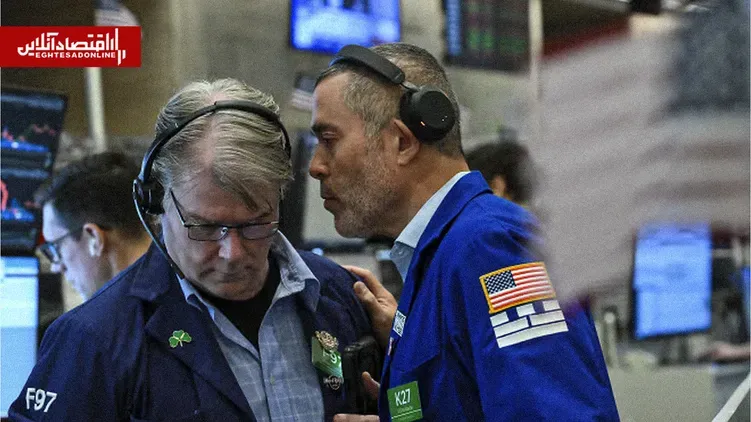
EghtesadOnline: Rising oil prices put renewed pressure on gold and pushed U.S. Treasury yields higher. Meanwhile, SpaceX’s stronger-than-expected earnings eased some concerns over the returns on artificial intelligence investments, lifting U.S. stock futures.
Global Economy: Hopes for diplomacy between Iran and the United States reversed oil’s course on Tuesday, but concerns over shipping security and energy supplies returned to the market on Wednesday. In equities, investors found a reason for optimism after days of concern over the heavy costs of artificial intelligence, as SpaceX’s latest results offered evidence that these investments are generating revenue. Markets are now caught between energy-driven inflationary pressure and assessments of economic growth and corporate earnings—two forces shaping interest-rate expectations and the flow of capital between asset classes.
Oil: Diplomatic Relief Fails to Last
Brent crude and U.S. West Texas Intermediate (WTI) crude futures for December delivery rose 1.3% and 1.2%, respectively, to $110.19 and $98.97 a barrel.
The gains followed a volatile session on Tuesday, when Brent crude climbed above $111 a barrel to its highest level since May before renewed assessments of the outlook for Iran-U.S. diplomacy reversed the market’s direction. Traders were weighing fresh threats to shipping in the Strait of Hormuz and attacks on Saudi Arabia against signs of improving oil exports. Preliminary data also pointed to a decline in U.S. crude inventories.
According to Kpler, oil flows through the Strait of Hormuz and alternative routes exceeded 24 million barrels per day in the week ending October 18, surpassing the pre-war level of 23.3 million barrels per day.
The Wall Street Journal also reported that the share of Gulf oil cargoes passing through the Strait of Hormuz had risen from 17% before the war to around 40%. Saudi Arabia and the United Arab Emirates have simultaneously increased their use of pipelines and alternative export routes.
However, the recovery in refined-product exports has been slower. According to the International Energy Agency (IEA), Middle Eastern exports of refined products fell to 1.9 million barrels per day in September, compared with 4.7 million barrels per day before the war. The agency expects diesel supply shortages to persist through 2027.
Despite the improvement in oil flows, supply concerns remain. Analysts at ING believe continued security risks in the Middle East and an unprecedented rise in oil tanker transportation costs are continuing to support prices.
Oil and Interest-Rate Expectations Weigh on Gold
Gold prices fell as oil prices rose. The precious metal remains sensitive to inflation expectations, monetary policy and developments in energy markets.
Investors will look to next week's October Federal Reserve meeting for signals about the outlook for U.S. interest rates. Although the Fed is expected to keep rates unchanged, markets remain focused on the possibility of another increase in December. Expectations that interest rates will remain elevated for longer generally weigh on gold, which does not offer an interest yield.
Copper and Silver: Falling Prices, Different Market Stories
Silver fell 1.4% to $57.18 an ounce on Wednesday. Reuters attributed the pressure on precious metals to rising oil prices and concerns that inflation and high interest rates could persist.
Copper prices also declined. However, record premiums for supplies delivered to European customers suggest that concerns about shortages remain. The transfer of large quantities of copper inventories to the United States, ahead of potential tariffs, has reduced availability for buyers in other markets.
U.S. Stocks: SpaceX Earnings Help Ease AI Investment Concerns
S&P 500 and Nasdaq 100 futures rose 0.2% and 0.7%, respectively. The main catalyst was SpaceX's stronger-than-expected results, which sent the company's shares up 8.1% in after-hours trading.
SpaceX reported third-quarter revenue of $14.6 billion and profit of $4.4 billion. Strong growth in its artificial intelligence activities, alongside its space and communications businesses, underpinned the performance.
The results mattered to a market increasingly concerned about the returns on heavy AI investments and the cost of financing them. Simon Wiersma, senior investment strategist at ING, said SpaceX had provided the kind of evidence investors had been waiting for: demand related to artificial intelligence remains real. However, one company's performance alone cannot resolve broader concerns about the profitability of the entire industry.
Elon Musk also announced that committees had been formed at SpaceX and Tesla to examine a potential merger, while emphasizing that no final decision had been made.
Meta and Tesla earnings are now set to provide the next test for markets. Investors want to see how far revenue growth can justify the costs of AI development.
Dollar and Currency Markets: French Protests Add Pressure on the Euro
The dollar index recovered from an earlier decline, rising around 0.2% to 101.76. The euro fell 0.1% to approximately $1.1229.
According to Reuters, protests in France and concerns about the country's fiscal position weighed on the euro, overshadowing expectations of another European Central Bank rate increase.
Jean Hardy, a currency strategist at Saxo Bank, believes France's debt needs to be brought under control. However, the difficulty of implementing reforms continues to concern investors. The euro's outlook, therefore, depends not only on interest-rate differentials with the United States but also on uncertainty over the French government's ability to rein in its budget deficit.
The Japanese yen also weakened slightly, with the dollar rising 0.1% to around 158.1 yen.
However, Bank of Japan Deputy Governor Ryozo Himino said on Wednesday that financial conditions remained accommodative and that further interest-rate increases would be necessary to contain inflation risks. Reuters described the remarks as reinforcing expectations of a December rate increase, although the central bank is expected to leave rates unchanged at its October meeting.
Bonds and Interest Rates: Treasury Yields Reverse Part of Tuesday's Decline
On Tuesday, falling oil prices and weaker U.S. housing data boosted demand for Treasury bonds, particularly longer-dated securities, pushing yields lower.
On Wednesday, part of that move reversed. The 10-year Treasury yield rose 1.5 basis points to 5.131%, while the 30-year yield increased 1.6 basis points to 5.44%.
Markets remain caught between concerns about weakening economic growth and renewed inflationary pressure from oil.
The CME FedWatch tool put the probability of a rate increase at the October 27–28 meeting at around 15%, implying an approximately 85% probability that rates would remain unchanged. However, the probability of interest rates being higher by the December meeting remained around 90%.
What Are Markets Watching Next?
Investors are focused on earnings reports from Meta and Tesla, official U.S. oil inventory data and a $13 billion auction of 20-year Treasury bonds.
Corporate earnings will help investors assess whether returns from AI investments can justify their costs, while the Treasury auction will provide insight into demand for government debt at current yields.
On Thursday, U.S. initial jobless claims data are due, followed on Friday by preliminary purchasing managers' index (PMI) readings for the United States and Europe, alongside the University of Michigan's final consumer sentiment report. These releases should provide a clearer picture of demand, employment and price pressures.
Developments in Iran-U.S. negotiations and the security of commercial shipping will also remain key factors shaping the outlook for oil prices.