


New Strait of Hormuz Route Nears Final Deal | Can Iran-Oman Talks Break the Deadlock?
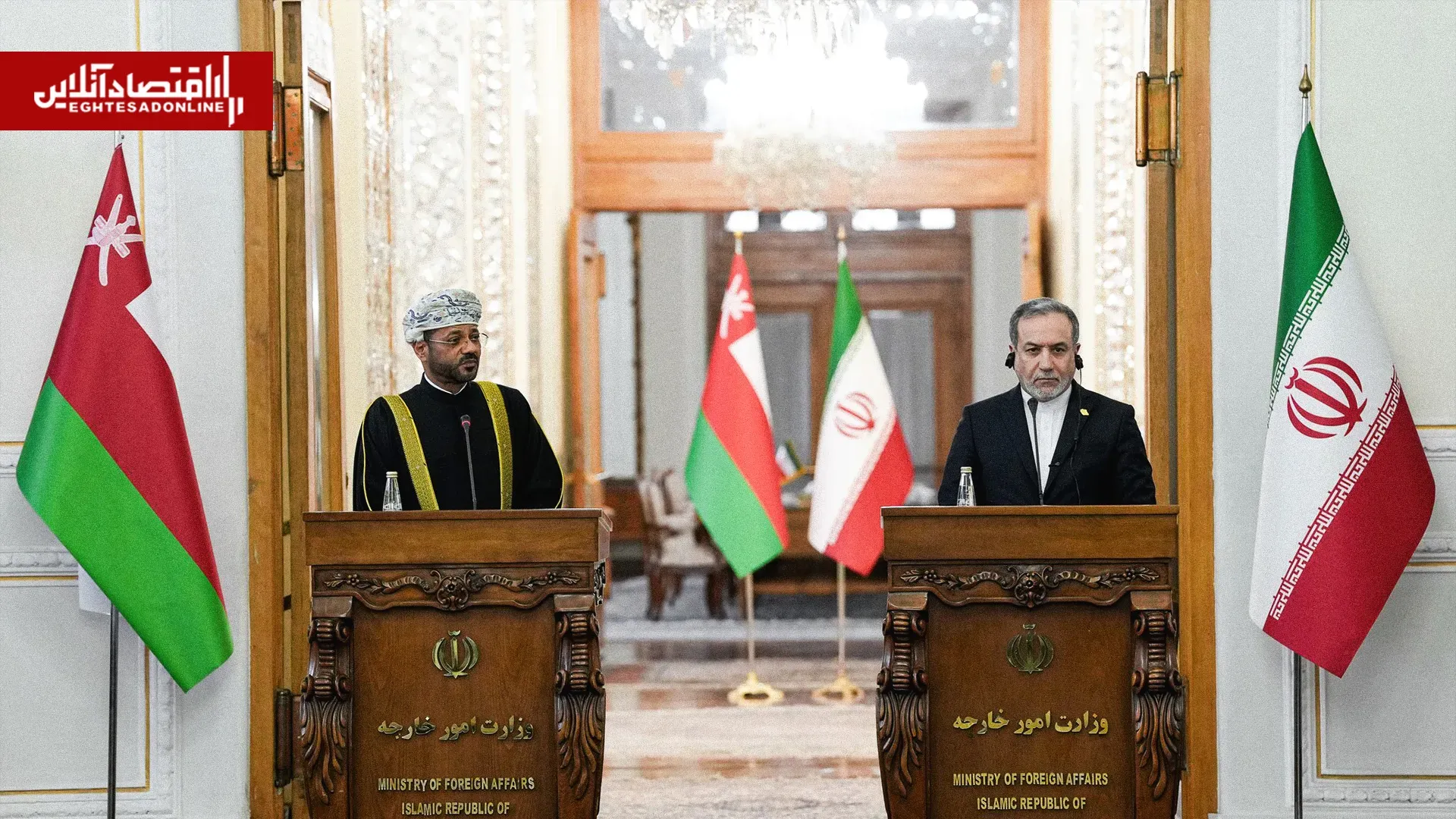
Iran and Oman appear to be nearing an agreement on a new shipping route through the Strait of Hormuz, but the deal has yet to be formally announced. Iran’s secretary of the Supreme National Security Council has said the agreement could be finalized soon. What does the proposed arrangement involve, and could it help ease tensions in the Persian Gulf?
TEHRAN, Iran —Talks between Iran and Oman over the Strait of Hormuz are reportedly close to completion. Iran’s foreign minister first raised the prospect of a deal more than a month ago. Yet no final agreement has been announced, and in mid-September, Mohsen Rezaei, secretary of Iran’s Supreme National Security Council, again said that a final agreement with Muscat was nearing completion.
The negotiations began shortly after the Iran-US ceasefire and the Islamabad understanding involving Oman. Beyond the technical details of establishing a new route through the Strait of Hormuz, however, US involvement appears to have complicated the talks. Iran and Oman have also reportedly disagreed over the collection of transit fees, with the Omani side said to be unwilling to accept Iran’s request. Even so, the two sides now appear closer to an agreement than at any previous stage of the talks.
New arrangements in the Strait of Hormuz
Under the Islamabad understanding, the reopening of the Strait of Hormuz was to take place under arrangements agreed upon by Iran and the United States. However, the US did not accept implementation of the provision after the understanding was signed, and hostilities resumed.
Iran subsequently began negotiations with Oman over a new route for ships passing through the Strait of Hormuz. The existing shipping route runs through Omani waters, while Iran has insisted that the new route should pass through Iranian waters.
The talks were initiated at Iran’s request. In early July, Mohammad Bagher Ghalibaf, head of Iran’s negotiating team, traveled to Muscat alongside the foreign minister. He met with the Sultan of Oman, with reports saying the two discussed establishing Iranian arrangements for managing the Strait of Hormuz as well as bilateral issues.
Efforts to finalize the new Hormuz route
Kazem Gharibabadi, who was tasked with following up on the negotiations, traveled to Oman in mid-July. Signs at the time suggested that the talks were not progressing smoothly and that Oman did not share Iran’s position.
Following the visit, Gharibabadi openly said that Iran was insisting on establishing new arrangements in the Strait of Hormuz and would proceed even without Oman’s cooperation.
During the negotiations, a source familiar with the talks told EghtesadOnline that Oman, despite its close relations with Iran, had not directly rejected Tehran’s request to manage the Strait and collect transit fees. However, Muscat had not given Tehran a clear response.
Oman also maintains close relations with the United States and does not want to confront Washington by agreeing to the collection of fees from ships passing through the Strait of Hormuz.
What would the agreement include?
Despite Oman’s initial opposition, the negotiations gradually progressed and appear to have accelerated following the 12-day Iran-US conflict.
In mid-August, Iranian Foreign Minister Abbas Araghchi said on the sidelines of a press conference by the Iranian president that an agreement on the new route had been finalized. He said the route had been determined based on maps prepared by Iran’s armed forces and would be temporary, but would serve as the basis for a permanent route.
However, it remains unclear whether ships would be charged for using the new route under the agreement. Oman has repeatedly opposed the collection of transit fees, while Iran has insisted that charges should be imposed to cover services provided to vessels using the route.
The final agreement was apparently not announced following Araghchi’s statement, possibly because of these differences. Iranian officials have attributed the delays and fluctuations in the negotiations to obstruction and what they described as the “influence” of third parties, namely the United States.
Nevertheless, a source familiar with the talks told EghtesadOnline that negotiations continued despite the alleged interference.Busaidi’s visit and the latest security council statementAt the beginning of September, Omani Foreign Minister Badr Albusaidi traveled to Tehran, with many viewing the visit as a positive step toward advancing the negotiations.Rezaei has now announced that Iran and Oman are close to finalizing an agreement to establish an international corridor in shared waters.
He said the corridor would be jointly managed by the two countries to regulate entry into and exit from the Persian Gulf. He added that the map of the corridor had already been agreed upon and would soon be signed.Iranian Foreign Ministry spokesman Esmaeil Baghaei also confirmed the development, saying that consultations had reached their final stages.The announcement echoes a statement made by Araghchi more than a month ago. Baghaei nevertheless reiterated that:
“Once a final agreement is reached, the joint memorandum of understanding between Iran and Oman to establish a temporary safe route for navigation through the Strait of Hormuz is expected to be formally registered with the International Maritime Organization in the coming days.”
Could the deal ease tensions?
An agreement between Iran and Oman on a new route through the Strait of Hormuz could help reduce tensions in the Persian Gulf to some extent. However, any significant de-escalation would depend on several other factors.The foreign minister has said that an agreement with Oman does not mean the Strait of Hormuz will be reopened. For the Strait to reopen, the United States would have to return to its commitments under the Islamabad understanding. One of the key provisions of that understanding is reportedly the lifting of the maritime blockade against Iran.
The key question now is whether Washington would be willing to return to its commitments under the understanding if Iran and Oman reach a deal.So far, there have been no clear signs that Washington is willing to return to diplomacy.
Nevertheless, an agreement between Iran and Oman could open a window for diplomacy amid heightened tensions in the Persian Gulf.