


New Strait of Hormuz Route Takes Shape in Iran-Oman Deal
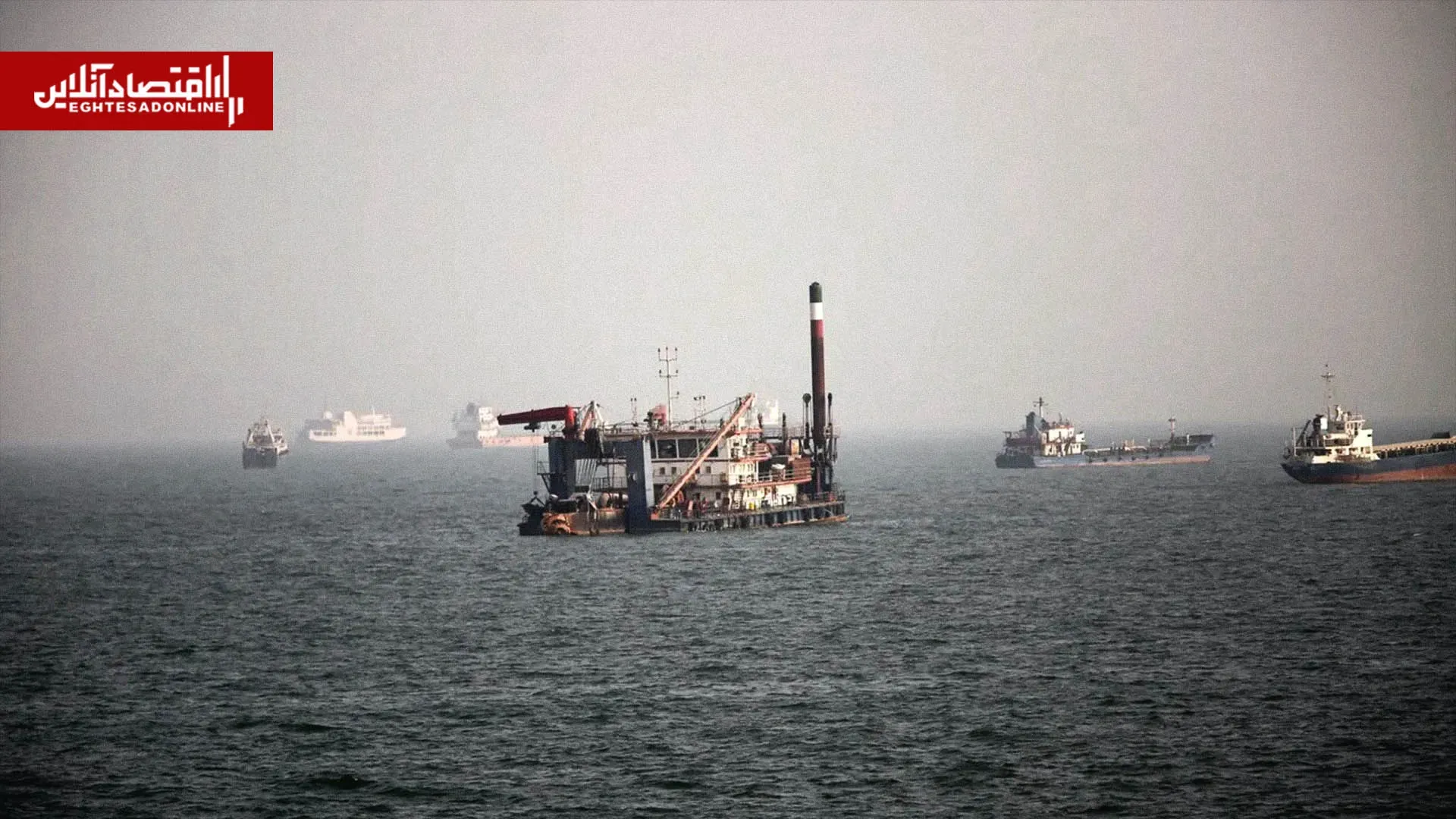
EghtesadOnline: Iran and Oman have reached an understanding on a new route for maritime traffic through the Strait of Hormuz, with Gulf states and Iraq expected to be briefed on the details at a meeting in Salalah. However, disagreements over transit fees, U.S. opposition and Iran’s conditions for reopening the strait have raised questions over whether the agreement can actually end the maritime blockade.
Political group: After weeks of negotiations, Iran and Oman appear to have reached the final stage of talks over a new route through the Strait of Hormuz. The arrangement is expected to be presented in Oman, with Gulf states and Iraq informed of the details.
Iranian officials have stressed that the understanding with Oman does not yet amount to a reopening of the strait. Still, it could provide the first practical mechanism for breaking the deadlock over maritime traffic during the war.
Agreement on a New Maritime Route
The Salalah meeting should not be confused with the reopening of the Strait of Hormuz. Iranian President Masoud Pezeshkian has said the strait will reopen, but only if the United States ends its blockade and military aggression.
Foreign Minister Abbas Araghchi has similarly said that reopening the strait depends on the United States returning to its commitments under the Islamabad understanding.
The position is complicated by President Donald Trump’s apparent suggestion that the Islamabad understanding is no longer in effect. Given Oman’s close ties with Washington, Muscat is likely to have considered the U.S. position during its negotiations with Tehran.
Trump has so far dismissed the agreement, saying it is not important to him and is an issue for the regional countries themselves.
What Does the Iran-Oman Agreement Include?
According to information released about the talks, Iran and Oman have reached an understanding on new entry and exit routes for vessels. Under the proposed arrangement, the route into the Persian Gulf would run entirely through Iranian territorial waters, while part of the outbound route would also pass through Iranian waters.
Iran wants vessel traffic to operate under arrangements that preserve a significant role for Tehran in managing the route. This is one reason Iranian officials have emphasized that the understanding with Oman should not be interpreted as a full reopening of the Strait of Hormuz.
The distinction is important: a technical corridor for maritime traffic is not necessarily the same as a political agreement to fully reopen the strait.
Why Does Gulf Participation Matter?
Bringing Gulf states and Iraq into the process could significantly change the political dynamics.
If the arrangement remained strictly bilateral between Iran and Oman, Washington and other governments could characterize it as a unilateral or limited deal. But informing regional states of the agreement gives Tehran and Muscat an opportunity to frame the new route as a regional mechanism.
Bahrain has said it will not attend the meeting.
The participating countries are apparently being brought in primarily to be informed of the arrangements rather than to determine their technical details. If they do not object to the proposed route, Iran and Oman could argue that the mechanism has been established with the knowledge of regional states.
This could shift the Strait of Hormuz issue from a direct Iran-U.S. confrontation toward a broader regional security framework.
Washington, however, is likely to view the issue through the lens of freedom of navigation and global energy security, while Tehran is seeking to frame maritime security as a matter that should primarily be managed by regional countries.
The Dispute Over Transit Fees
One of the biggest unresolved questions concerns who will manage traffic along the new route and how maritime services will be paid for. Some reports indicate that Iran still wants to impose fees on vessels using the route, while Oman has opposed such an arrangement. On the surface, the dispute is about the cost of maritime services. Politically, however, the issue is far more significant.
If Iran is able to set and collect fees from vessels using the route, the arrangement could move beyond technical traffic management and be interpreted as an assertion of Iranian authority over the passage. That is precisely the kind of arrangement Washington is likely to oppose.
Oman, meanwhile, has an interest in keeping the agreement as a technical mechanism for reducing tensions rather than allowing it to become another source of confrontation with the United States.
Muscat has spent years maintaining its role as a regional mediator, and it is unlikely to support an arrangement that Washington could portray as effectively transferring control of the Strait of Hormuz to Tehran.
This may explain why Iranian officials can describe the political framework as finalized while reports suggest that some operational details remain unresolved.
In other words, the two accounts are not necessarily contradictory: the political agreement may have been reached, while its implementation mechanism is still being negotiated.
Why Is Washington Opposed?
The Strait of Hormuz has become an increasingly sensitive issue for Washington amid the war with Iran. Before the conflict, a significant share of global energy trade passed through the strait. A prolonged disruption could therefore create substantial pressure on international energy markets and on the United States and its allies. Washington is now seeking to maintain maritime and economic pressure on Iran while supporting the security of international shipping routes.
A new corridor operating under arrangements largely defined by Tehran would challenge that approach. The central question for Washington is therefore not simply whether ships can pass through the new route, but who controls the mechanism governing that traffic.
Could the Agreement End the Maritime Blockade?
If finalized, the Iran-Oman arrangement could create an intermediate stage in the negotiations between Tehran and Washington. Iran could demonstrate that it is willing to facilitate a practical solution without immediately abandoning its position on the Strait of Hormuz. The United States, meanwhile, could potentially use a regional mechanism as a basis for gradually restoring maritime traffic and easing pressure on Iran.
In that sense, the Salalah agreement could serve as a bridge toward renewed negotiations.But the two sides have not yet reached the other end of that bridge.
Agreement Remains Fragile
Despite its diplomatic potential, the agreement remains vulnerable.
The first challenge is the dispute over transit fees and management of the route. The second is likely U.S. opposition to any arrangement that strengthens Iran’s control over maritime traffic. The third is the lack of complete regional consensus, with Bahrain’s absence providing a clear example of the divisions among Gulf states.
If Washington maintains its maritime blockade and economic pressure while Tehran continues to condition the reopening of the Strait of Hormuz on its own demands, the proposed route could remain largely theoretical.
by Amir Mohammad Hosseini