


Iran and Qatar Hold 12-Hour Talks in Tehran as Doha Reports Positive Progres
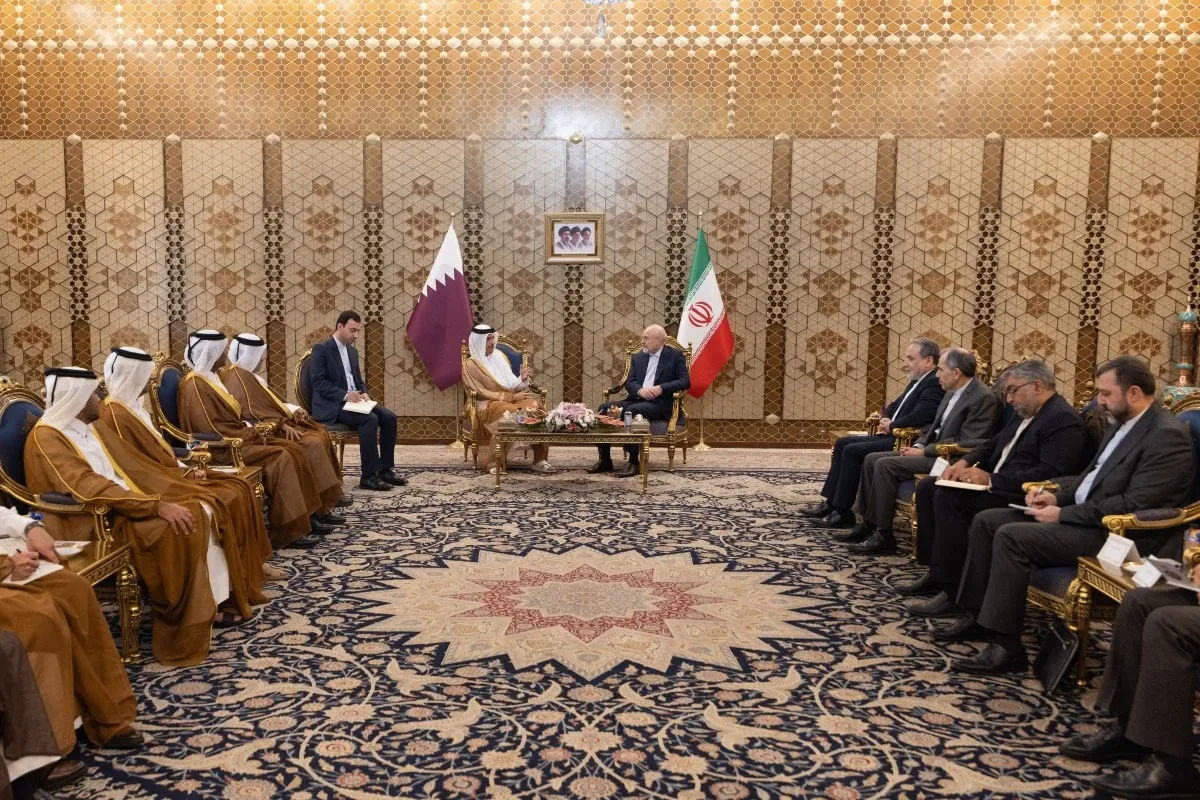
Qatari mediators held more than 12 hours of talks in Tehran on Friday in an effort to pave the way for a resumption of direct negotiations between Iran and the United States and prevent a renewed outbreak of war following the US midterm elections.
The Qatari mediators held discussions with Iranian officials throughout Friday while maintaining continuous contact with the White House. A diplomatic source described the outcome as encouraging, saying: "Positive progress has been made. Talks are continuing with the aim of breaking the deadlock in an agreement between the United States and Iran."
Qatar is seeking to persuade both sides to accept a series of reciprocal measures that could be implemented over several days, paving the way for Tehran and Washington to return to direct negotiations on Iran's nuclear programme and other outstanding issues.
However, a US official said two conflicting demands had so far prevented progress. The Trump administration insists that Iran make nuclear concessions before negotiations resume. Tehran, meanwhile, wants Washington to first lift its naval blockade, release Iran's frozen assets and allow the country to sell its oil.
As part of the mediation effort, Qatar is also trying to persuade Iran to allow United Nations inspectors to visit nuclear facilities that were bombed during the conflict. Such a move could serve as a confidence-building measure, potentially in exchange for Washington easing some sanctions.
Divisions Within Trump's Inner Circle Over Military Action or Diplomacy
There are disagreements within Donald Trump's inner circle over how to approach Iran.
According to a US official, Defence Secretary Pete Hegseth and Secretary of State Marco Rubio are deeply sceptical that a nuclear agreement can be reached with Iran's current political establishment. They believe Trump's political legacy should focus on further weakening the Iranian government, including through additional military strikes.
In contrast, Vice President JD Vance, along with Trump's envoys Steve Witkoff and Jared Kushner, favour resuming negotiations.
Nevertheless, the US official said Trump himself remained uncertain about whether Iran would agree to a deal that he considered acceptable.
Speaking to reporters on Friday about the possibility of an agreement with Iran, Trump said: "There are negotiations taking place. They want to talk, and they continue to talk... Honestly, we have time. This is a war, but it is not a conventional war."
US Treasury Secretary Scott Bessent, who is leading the Trump administration's economic pressure campaign against Iran, known as "Operation Economic Outcast", is also among Trump's closest advisers encouraging him to give the campaign more time rather than rushing back into military confrontation.
US Midterm Elections: A Narrow Window for an Agreement?
Meanwhile, regional countries, including Egypt, Turkey, Iraq, Pakistan and Saudi Arabia, have urged Iran to agree to resume negotiations before the US midterm elections.
A US official believes that if Republicans suffer a major defeat in the elections, Trump could become more inclined to order a large-scale military operation against Iran.
Explaining regional concerns, the official said: "If Trump feels humiliated or believes that his power and position have been taken away from him, he will do something bold. This is exactly what everyone is telling the Iranians. Their best opportunity to reach an agreement is right now."
However, a White House official said the election results would have no impact on Trump's decision-making regarding Iran.
In recent days, the leaders of Saudi Arabia and Turkey have also urged Trump to give diplomacy more time.
On the other side, Israeli Prime Minister Benjamin Netanyahu has been lobbying and pressuring Trump to launch a joint military operation against Iran immediately after the elections.
Potential Escalation of War Threatens Gulf Energy Infrastructure
A resumption of hostilities could lead not only to widespread destruction of infrastructure in Iran but also to severe damage across Gulf countries, further intensifying the global energy crisis.
Iran has threatened to target oil and gas facilities in Saudi Arabia, the United Arab Emirates, Qatar, Kuwait and Bahrain if the United States attacks its energy infrastructure.
Any US military strike against Iran would also involve Israel. Under such circumstances, Iran is expected to retaliate with missile attacks, while Lebanon's Hezbollah could also launch attacks against Israel.