


Tehran’s Nuclear Proposal on Trump’s Desk | Is a Breakthrough in Iran–U.S. Talks Within Reach?
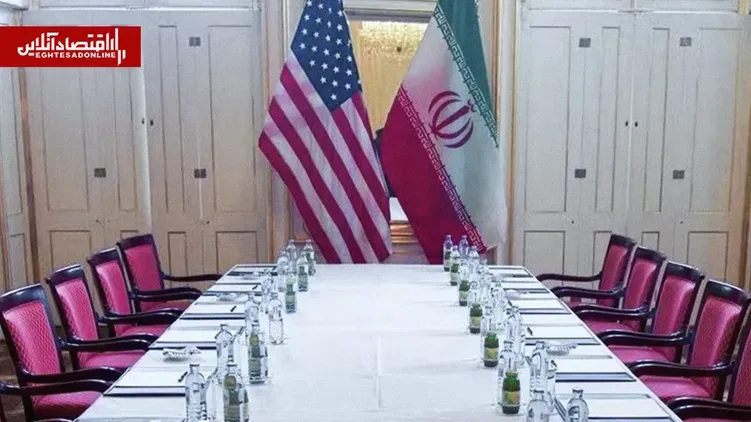
EghtesadOnline: Mediators are continuing their efforts to break the deadlock in negotiations between Iran and the United States. Iran has submitted a nuclear proposal to Washington in exchange for the fulfillment of seven conditions, and attention is now turning to the White House for signs of progress in the talks.
Political Desk: Iran has put forward seven conditions in exchange for its nuclear proposal, marking its latest offer in the ongoing negotiations with the United States. The talks are unfolding against the backdrop of the Democrats’ gains in the midterm elections, which have strengthened the position of those in the White House who favor an agreement.
Informed sources say Iran has signaled its readiness to discuss issues that had previously been excluded from the negotiating agenda. This development could indicate a degree of flexibility on one of the central points of disagreement with the United States.
Iran’s Seven Conditions for Negotiations
Iran’s proposal is contingent on the fulfillment of seven conditions. Meanwhile, Mohsen Rezaei, Secretary of Iran’s Supreme National Security Council, has traveled to Russia, where he reiterated these seven conditions. He also reportedly carried a message from Iran’s Supreme Leader to Vladimir Putin, although no details of the message have been disclosed.
Although the full official list of the seven conditions has not yet been made public, informed sources have identified three specific demands from Tehran: the lifting of the U.S. naval blockade and sanctions, the release of Iran’s frozen assets, and the payment of war reparations. The removal of restrictions on oil exports, a halt to military attacks on all fronts, including Lebanon, and guarantees against a recurrence of war have also been raised as part of Tehran’s demands.
The significance of these conditions lies largely in the sequence in which commitments are to be implemented. Iran wants to receive some of its demands in practice before entering comprehensive negotiations and accepting new obligations. The key issue, however, is that the United States wants Iran’s nuclear program to be on the negotiating agenda from the very beginning.
Details of Iran’s Nuclear Proposal
It remains unclear whether Iran’s nuclear proposal originated as an initiative by mediators or was drafted in Tehran. It is also unclear what specific commitments Iran has offered to resolve the nuclear dispute. Some reports suggest that transferring Iran’s stockpile of 60%-enriched uranium to a third country or diluting it could be among the measures included in the proposal.
It is also unclear what kind of arrangement the proposal envisages regarding uranium enrichment. Before the war, the United States had called for the dismantling of Iran’s enrichment program, a demand that Tehran is unlikely to accept. Under these circumstances, Washington may have to demonstrate flexibility to reach an understanding.
The Impact of the Republicans’ Electoral Defeat
Iran’s nuclear proposal comes at a time when the Republicans’ defeat in the midterm elections and the Democrats’ gains have increased political pressure on the Trump administration. The U.S. president had also previously declined to rule out a resumption of military operations against Iran.
Continued hostilities, rising military expenditures, disruptions to energy markets, and uncertainty in the global economy are all factors that could put further pressure on the U.S. administration’s position.
Three Obstacles to Diplomacy
Despite signs of progress and ongoing efforts to break the deadlock in negotiations, it is still too early to speak of an imminent final agreement. The United States is also continuing to deploy military equipment to the Middle East and strengthen its military readiness.
The first obstacle is the disagreement over the sequencing of commitments. Iran wants to receive concessions before negotiations begin, while the United States insists that the nuclear issue must be addressed from the outset. The second obstacle concerns security and implementation guarantees. Following the collapse of the previous understanding, Tehran is seeking a mechanism to prevent a recurrence of military attacks and the reimposition of sanctions. Washington, meanwhile, is unlikely to offer substantial concessions without receiving verifiable commitments from Iran regarding its nuclear activities.
The third obstacle is the scope of a potential agreement. If negotiations are limited to ending hostilities and reopening the Strait of Hormuz, the nuclear and sanctions disputes may remain unresolved. However, including the nuclear issue, sanctions, security guarantees, and regional matters in a single comprehensive agreement would make reaching an understanding considerably more difficult.
The outcome of the negotiations now depends on whether the United States is willing to offer concessions to Tehran before formal talks begin, and whether Iran is prepared to accept the nuclear restrictions sought by Washington. The answers to these two questions will determine whether the latest diplomatic efforts lead to a lasting agreement or, as in previous rounds of negotiations, provide only a temporary opportunity to prevent a return to war.