


Hegseth Becomes First Casualty of Trump’s Midterm Defeat | Is the War Secretary’s Job on the Line?
EghtesadOnline: From a potential impeachment push backed by Republicans to growing calls for his removal inside the White House, Pete Hegseth is facing a political crisis following the Republicans’ midterm defeat. The fallout could reshape both his political future and the leadership of the Pentagon But Hegseth may not be the last member of Trump’s cabinet to leave.
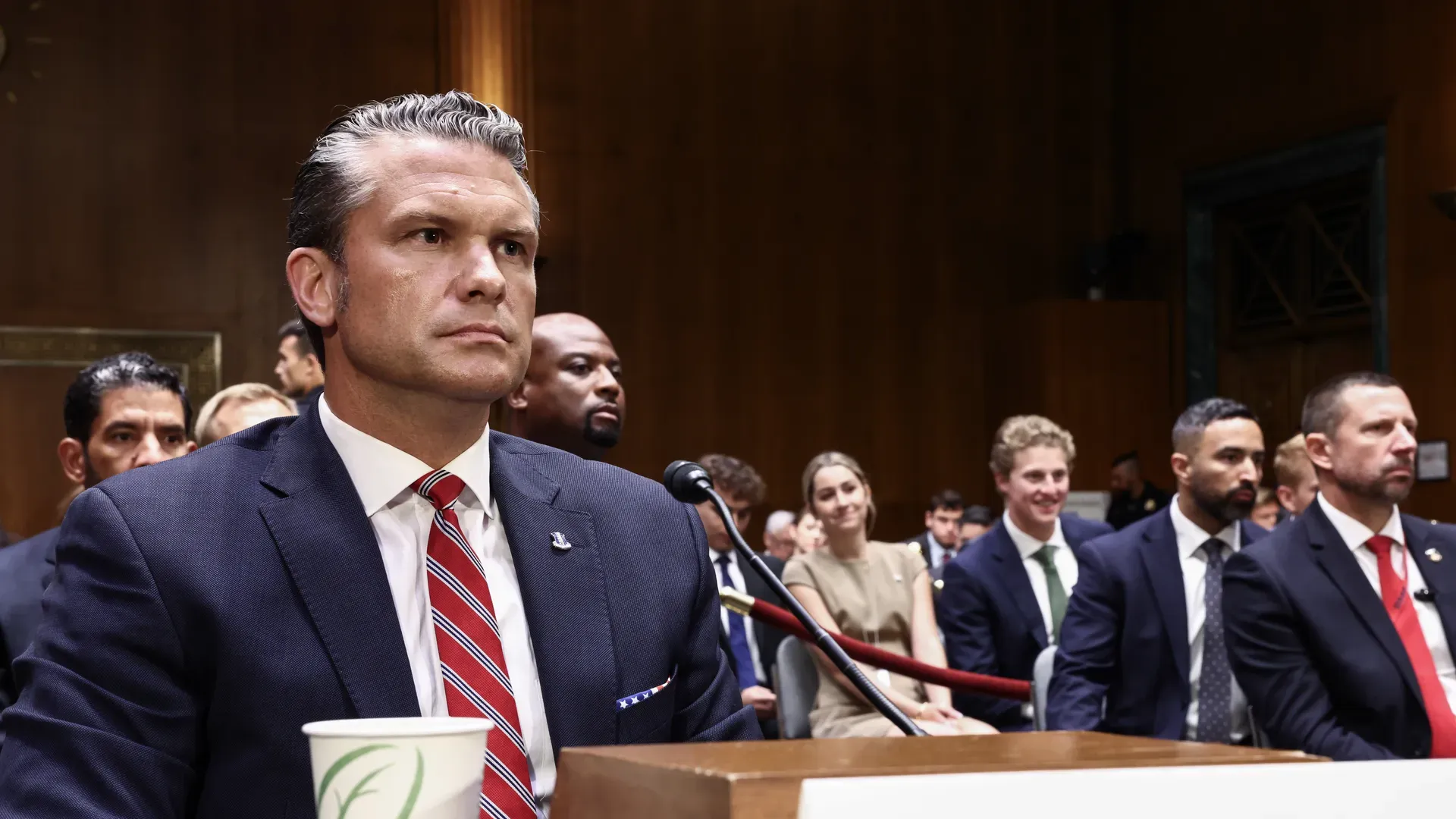
U.S. Secretary of War Pete Hegseth is facing the prospect of leaving Donald Trump’s cabinet, having apparently lost support even among members of his own party. Reports suggest that Trump is considering removing him from office.
Before the midterm elections, opposition from Democrats over Hegseth’s performance was considered the main political threat to his position. Now, however, signs of growing dissatisfaction have emerged among Republicans and even within circles close to the White House.
Hegseth is not the only cabinet member whose departure is being discussed. Trump has acknowledged that changes to his administration are coming, with some reports even mentioning Secretary of State Marco Rubio as a possible candidate for a change in position.
Trump may also be aware that he has a limited window to make these changes. Once the new Congress takes office in January, securing Senate confirmation for his nominees could become considerably more difficult.
Someone Has to Take the Blame
Following the Republicans’ defeat in the midterm elections, party leaders and lawmakers have begun searching for the reasons behind the setback. Hegseth has emerged as a central figure in the blame game, particularly over the way the war with Iran was launched and conducted.
Against this backdrop, reports suggest that a potential impeachment effort could bring Democrats together with a group of Republicans seeking to challenge the War Secretary.
Republican leaders and some lawmakers who lost their seats in the election may now be less concerned about the political consequences of opposing the Trump administration. With only two months remaining before the end of their terms in Congress, some may feel they have little left to lose.
At the same time, political support for Hegseth has weakened since the outbreak of the Iran war, which has become one of the main sources of internal disagreement within the Republican Party.
One unnamed administration official highlighted the growing pressure to identify someone responsible for the electoral defeat, saying:
"Someone has to pay the price for this defeat, and Pete is currently at the top of the list."
Republicans Join the Push to Impeach Hegseth
The impeachment effort is being pursued by Republican Representative Thomas Massie of Kentucky, who intends to use parliamentary procedures to bring the proposal to a vote.
Massie's role is particularly significant because, unlike many of Hegseth's critics, he belongs to Trump's own party. His opposition therefore cannot simply be dismissed as part of the usual political rivalry between Democrats and Republicans.
Massie had previously outlined eight grounds for impeachment. The allegations include continuing the war with Iran without congressional authorization, violating legal restrictions on presidential war powers, disregarding laws protecting civilians, carrying out deadly operations against boats suspected of drug trafficking, targeting a senator's freedom of speech, conducting the operation to capture Venezuelan President Nicolás Maduro, and involvement in the war in Yemen.
On the Democratic side, criticism has also moved beyond routine political opposition.
Hakeem Jeffries, the Democratic leader in the House of Representatives and a potential future House Speaker, has openly expressed support for impeaching Hegseth. Democrats consider the War Secretary one of the officials primarily responsible for the costly war with Iran.
However, the allegations against Hegseth extend well beyond the Iran conflict. Disputes over Congress's constitutional authority to authorize military action, questions surrounding the management of military operations, and tensions with senior military commanders have combined to create a growing crisis for the War Secretary.
More significantly, American media reports indicate that some Trump administration officials have also been pushing for Hegseth's removal.
Why Is Trump Considering Cabinet Changes?
There appear to be four major reasons behind Trump's consideration of changes within his administration.
First, the threat of impeachment. Trump may want to prevent impeachment proceedings and congressional investigations from becoming a platform for scrutinizing his decision to launch the war with Iran during the final months of Republican control of Congress. Such proceedings could once again draw public attention to the war's financial costs and political consequences.
Second, the need to reshape his administration. U.S. presidents have historically responded to major electoral defeats by replacing senior officials and attempting to restore confidence in their administrations. One example came in 2006, when President George W. Bush replaced Defense Secretary Donald Rumsfeld following the Republicans' defeat in the midterm elections.
Third, the limited window for replacing Hegseth. If Trump decides to remove his War Secretary, doing so before the new Congress takes office could prove advantageous. With Democrats expected to take control of the Senate in January, confirming a new nominee for the position could become significantly more difficult. The period between the election and the inauguration of the new Congress is therefore particularly important for Trump.
Fourth, the possibility of offering Hegseth a political exit. Some reports have raised the possibility of appointing him to a Senate seat in Tennessee, which is expected to become vacant if Marsha Blackburn is elected governor of the state.
Trump has also commented on the possibility, saying Hegseth could be popular in such a position, although he emphasized that he was not aware of any specific plan.
Despite the mounting pressure, Trump has publicly defended Hegseth and said he has confidence in him. However, Trump's previous treatment of cabinet officials suggests that public expressions of support do not necessarily guarantee continued backing behind closed doors. The president has repeatedly demonstrated a willingness to make sudden personnel decisions.
Electoral Defeat Exposes Divisions Within the MAGA Movement
The Hegseth controversy is another sign of growing divisions within the Republican Party and the White House. The Republicans' defeat has not simply reflected declining support for the president; it has also intensified internal disagreements within the MAGA movement.
In a recent report, Reuters spoke to several Trump supporters who have begun questioning whether they should continue backing the president following the Republicans' electoral setback.
Among the main sources of dissatisfaction are the rising cost of living, the war with Iran, and disagreements over the administration's handling of controversial issues.
Nearly one-third of the social media posts seeking to assign responsibility for the electoral defeat identified the Iran war and Israel's influence over U.S. foreign policy as major contributing factors.
Vice President JD Vance has also acknowledged these concerns. However, Trump's dissatisfaction with Vance's remarks has itself become another indication of disagreements within the administration.
These developments have fueled expectations that Hegseth's departure, if it happens, may not be the last cabinet shake-up under Trump.
The growing tensions also raise questions about the future of the MAGA movement itself. One faction wants to return to the movement's original economic priorities and nationalist agenda. Others support reducing its dependence on Trump's personal leadership, while a third group believes the movement may have already reached the end of its political road.
Ultimately, the pressure surrounding Hegseth is about more than the future of one cabinet official. It reflects a broader struggle within Trump's political coalition over the direction of the administration, the costs of its foreign policy, and the future of the MAGA movement after its electoral setback.