


Why Did Gulf States Step Back from the Iran-Oman Deal?
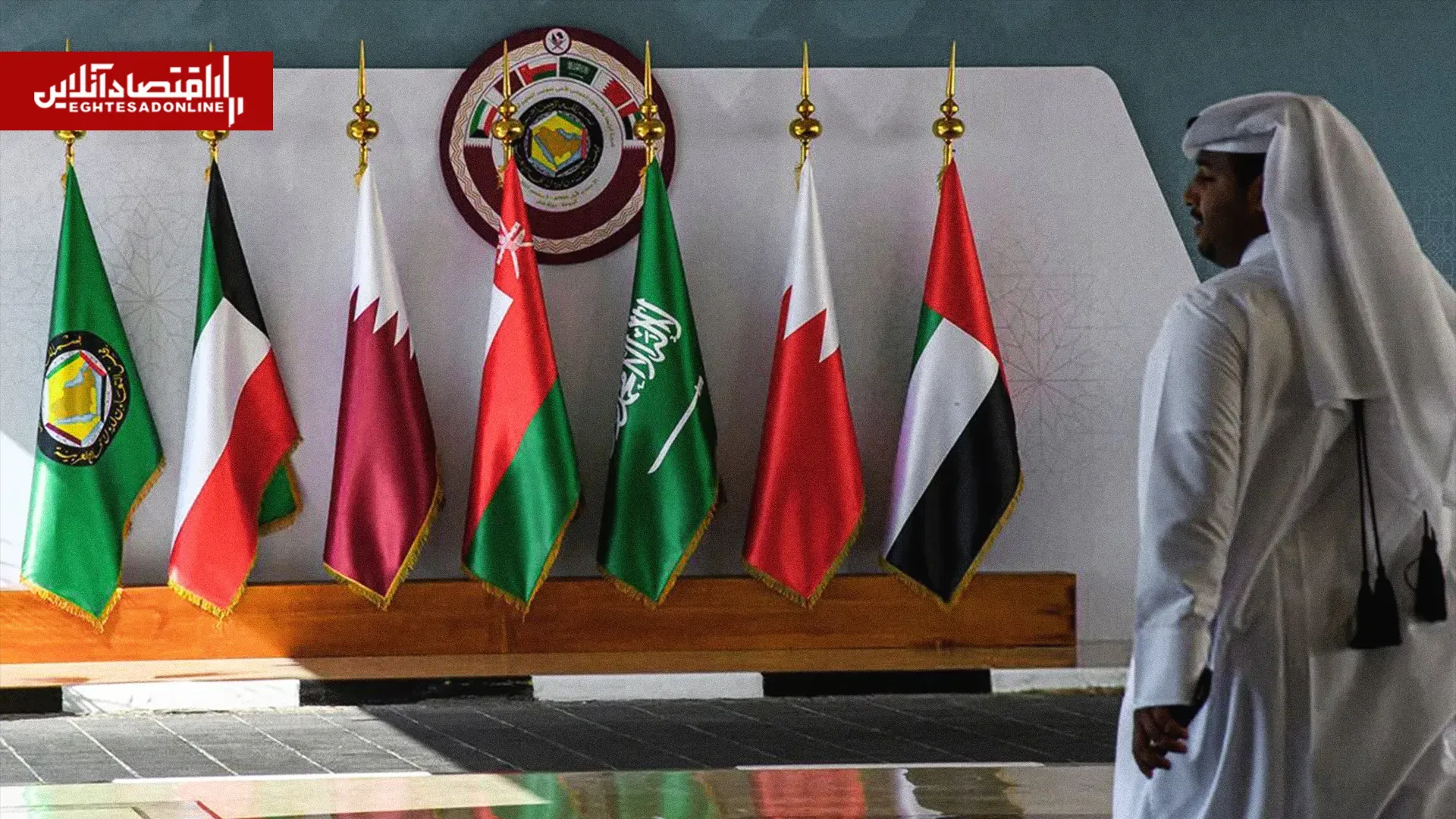
EghtesadOnline: The postponement of the Salalah meeting raises questions about what it means for the Iran-U.S. war. The meeting was expected to announce an Iran-Oman agreement and provide a potential opening for a return to diplomacy.
Political group: The Oman meeting could have been the clearest sign yet of diplomacy returning to the region amid escalating tensions. But on the very day that Iranian and foreign ministers from seven Gulf Arab states were expected to meet in Salalah to announce an agreement on the Strait of Hormuz, that window closed.
Oman’s foreign minister said the meeting had been postponed in an effort to reach a consensus. In Tehran, however, Foreign Ministry spokesman Esmail Baghaei said Saudi Arabia had called for the meeting to be cancelled. Bahrain had also previously said it would not attend because of Iran’s participation. No new date has yet been set, a development that offers little reason for optimism.
Still, some cautious optimism remains. Oman’s energy minister has said the Strait of Hormuz will be reopened “soon.”
Why Did the Gulf States Step Back?
The main problem appears to be the gap between the Gulf states’ economic need for open shipping routes and their security calculations. Arab countries need maritime routes to reopen more than ever, but at the same time, closer engagement with Iran could be seen by Saudi Arabia and its allies as a security risk—particularly if such a move were to anger the United States.
The contradiction has deepened as the war in Yemen has escalated. Ansar Allah in Yemen has also consolidated control over Yemen’s western coastline, giving the group greater influence over the Bab al-Mandab Strait. An attack on Saudi Arabia’s east-west pipeline has further exposed the kingdom’s vulnerability to Ansar Allah.
All of this comes as shipping traffic through the Strait of Hormuz has fallen sharply. Reuters reported that only four cargo vessels had exited the Gulf and 10 had entered, compared with a 10-day average of around 14 vessels per day. One vessel was also targeted by a projectile in the strait.
Reuters has estimated that if the disruption continues, as much as 4% of global oil supply could be put at risk.
What Does the Cancelled Meeting Mean for Iran and the U.S.?
The postponement of the Oman meeting does not necessarily mean diplomacy has completely failed, but it shows that the gap between Iran and the United States remains wide. The Financial Times reported that oil prices climbed above $108 a barrel as the talks were postponed, showing how quickly markets interpreted the development as a sign of rising tensions.
Iran has also made clear that even an agreement with Oman to manage the passage of vessels would not necessarily mean the Strait of Hormuz would fully reopen. Tehran has linked a full reopening of the strait to the United States returning to its commitments under the Islamabad understanding.
This means that even if the regional meeting is eventually held, a much larger obstacle will remain: the security of the Strait of Hormuz has become tied to direct or indirect negotiations between Iran and the United States.
Has the Window for Diplomacy Closed?
The significance of the Oman meeting was that it could have created a parallel diplomatic track alongside negotiations between Tehran and Washington. Gulf states could have used that channel to negotiate with Iran over trade and energy security, regardless of the eventual outcome of the Iran-U.S. war.
That path is now on hold. Yet the longer the war continues and the higher oil prices and shipping costs rise, the stronger the Gulf states’ incentive to reopen dialogue with Iran is likely to become.
The diplomatic window that was supposed to open in Salalah is temporarily closed. But as the economic costs of the war mount, pressure to reopen it may only grow.