


Iran, Gulf States to Discuss New Maritime Route Through Strait of Hormuz
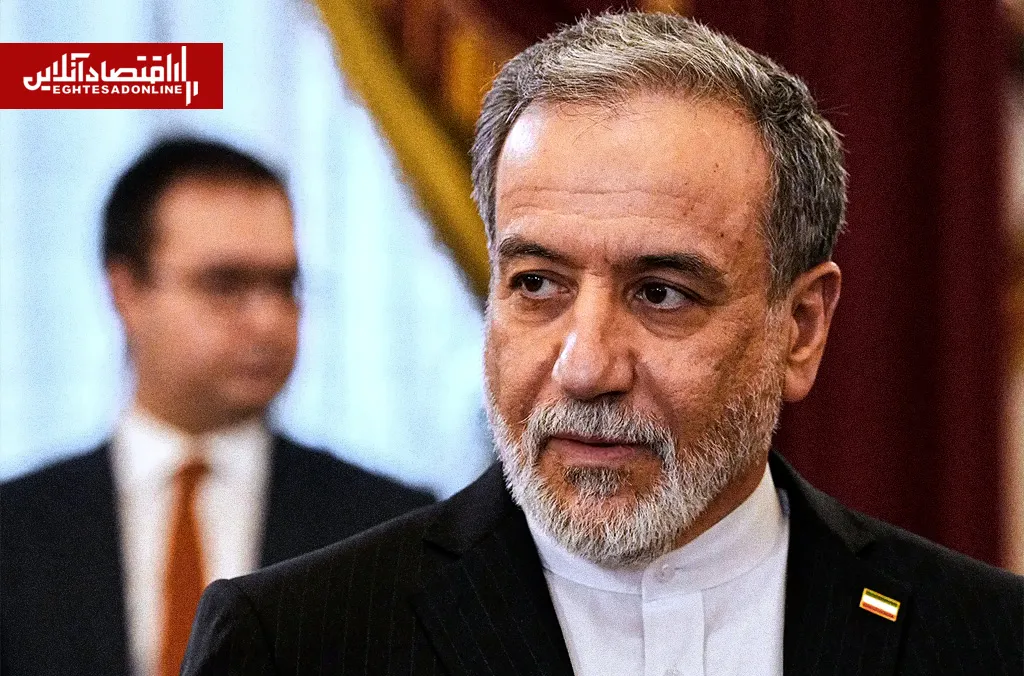
Iranian Foreign Minister Abbas Araghchi said a meeting between Iran, Iraq and the Gulf states in Muscat will focus exclusively on a new maritime route through the Strait of Hormuz, describing the talks as a potential confidence-building step among regional countries.
In an exclusive interview with Al-Araby Al-Jadeed, Araghchi said Iran and Oman had reached an agreement on establishing the new maritime route and had already prepared the relevant maps and a joint statement.
Araghchi said the meeting should be viewed as a gathering of the eight countries bordering the Gulf, although Bahrain has chosen not to attend. He stressed that the meeting’s only official agenda item is the new maritime route through the Strait of Hormuz.
According to Araghchi, Iran and Oman have agreed on the new arrangement, with the necessary maps already prepared. A joint statement has also been drafted.
The documents will be presented to the other Gulf states during the Muscat meeting before ultimately being submitted to the International Maritime Organization (IMO) for registration and incorporation into the organization’s regulatory framework.
“This is the first time such a dialogue has been held among Gulf countries in this format,” Araghchi said, adding that the meeting could potentially create a foundation for future consultations on other regional issues.
However, he emphasized that broader regional security issues are not part of the current meeting’s official agenda.
Iran says regional security should be managed by regional states
Asked whether Iran was seeking to establish a regional security mechanism without the United States, Araghchi said the current meeting was not intended to create a new regional security structure.
He nevertheless reiterated Tehran’s long-standing position that the countries of the region themselves bear responsibility for security and stability in the Gulf.
Iran, he said, believes that regional states should address their common challenges through dialogue, confidence-building and cooperation, without outside interference.
Araghchi described the participation of regional countries in talks over an issue directly related to maritime security and navigation as an important development and a potential confidence-building measure.
He said continued dialogue could eventually pave the way for cooperation on other regional issues, while reducing the scope for external powers to impose security arrangements on the region.
Iran separates Hormuz talks from Yemen crisis
Araghchi rejected the idea that the Muscat meeting was intended to address the Yemen conflict or resolve disputes between Iran and its southern neighbors.
He said the meeting’s mandate remains limited to the new maritime arrangements in the Strait of Hormuz and informing the participating countries about the agreement and its related documents.
At the same time, he acknowledged the broader significance of holding such talks amid escalating regional tensions.
“The region is currently facing a series of interconnected crises and tensions,” Araghchi said, arguing that experience has shown that such disputes cannot be resolved through confrontation, pressure or the intervention of outside powers.
He said greater dialogue among regional countries could improve their understanding of each other’s concerns and interests, helping to reduce misunderstandings and manage tensions.
Tehran: Yemen has no military solution
On Yemen, Araghchi reiterated Iran’s position that the conflict cannot be resolved militarily. He said the future of Yemen should be determined by the Yemenis themselves through dialogue and an inclusive political process.
The comments come as regional tensions are intensifying, with developments around the Red Sea and the Bab el-Mandeb adding another layer to the security challenges facing Gulf shipping and regional trade routes.